Lake Powell’s real estate market offers diverse properties catering to various lifestyles, with strong investment potential due to growing popularity. The region boasts breathtaking natural beauty, outdoor recreational opportunities, and strategic location, appealing to investors and residents. Properties range from riverfront estates to desert retreats, while local regulations, environmental factors, and experienced agents are essential for buying. Planning is crucial due to varying weather and terrain, with local resources enhancing safety and enjoyment. Real estate along gateway locations shows steady appreciation, offering personal fulfillment and financial returns through direct access to outdoor activities and scenic landscapes.
Lake Powell, a sprawling reservoir on the Colorado River, is a marvel of engineering and a gateway to unparalleled natural wonders. As one of the largest man-made lakes in the U.S., it attracts millions annually, seeking its pristine waters, dramatic canyons, and diverse recreational opportunities. However, rapid growth in nearby real estate developments poses challenges to this fragile ecosystem, threatening the very experiences that draw visitors. This article delves into these complexities, exploring sustainable strategies for managing tourism and development around Lake Powell to ensure its natural beauty endures for future generations.
Discovering Lake Powell’s Real Estate Treasures

Lake Powell, a breathtaking expanse of blue nestled within the rugged landscapes of Utah and Arizona, offers more than just stunning vistas; it is also a gateway to a diverse range of real estate treasures. The region’s unique blend of natural beauty, recreational opportunities, and strategic location has attracted savvy investors and discerning residents alike. From sprawling riverfront estates to secluded desert retreats, the lake’s real estate market presents an array of options catering to varied tastes and lifestyles.
Exploring Lake Powell’s real estate scene requires a deep understanding of its distinct characteristics. The area boasts a diverse geography, featuring both pristine water access and vast stretches of untouched desert. Properties along the shoreline offer breathtaking sunrise views and easy access to world-class boating and fishing. Conversely, inland retreats provide seclusion and tranquility for those seeking escape from the hustle and bustle. According to recent market reports, the average home price in the Lake Powell region has experienced steady growth, reflecting its increasing popularity. This trend is driven by not only the allure of the location but also robust economic factors, including a thriving tourism industry and a desirability that transcends seasons.
Acquiring real estate at Lake Powell presents both opportunities and considerations. For buyers, the key lies in identifying individual property needs and preferences. Whether seeking a full-time residence or a vacation getaway, understanding local zoning regulations and environmental factors is paramount. Engaging with experienced real estate agents who possess deep knowledge of the region can significantly enhance the process. These professionals can guide clients through the diverse offerings, from established communities to emerging developments. Additionally, buyers should consider the long-term potential of their investments, factoring in the area’s growing popularity as a year-round destination.
Ultimately, Lake Powell’s real estate treasures are not merely about acquiring property; they represent an invitation to embrace a unique way of life. From waterfront estates that foster a deep connection with nature to desert retreats offering serenity and solitude, the region promises unforgettable experiences. By aligning personal aspirations with the area’s distinct character, prospective residents can unlock a world of opportunities, ensuring a rewarding journey in this extraordinary gateway.
Exploring Gateway Locations: A Comprehensive Guide

Exploring Gateway Locations offers an unparalleled introduction to Lake Powell’s breathtaking wonders. This region, renowned for its stunning landscapes and diverse recreational opportunities, boasts numerous gateway sites catering to various interests. Each location presents a unique perspective of the lake, from scenic lookouts offering panoramic views to secluded coves perfect for water sports enthusiasts. Understanding these gateways is crucial for maximizing your experience, whether you’re an outdoor aficionado seeking adventure or a real estate investor eyeing lucrative properties.
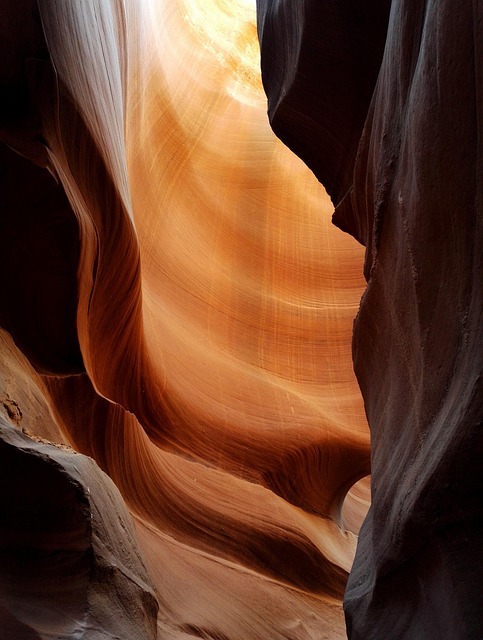
Practical insights into accessing these gateways involve considering accessibility during different seasons and understanding the diverse ecosystems. Some locations are easily reachable by road, while others demand more adventurous means. For instance, the Wahweap Overlook provides easy access to breathtaking vistas and is a popular spot for capturing memorable photos, while the more remote Island in the Sky offers a challenging yet rewarding hike leading to panoramic vistas of both Lake Powell and Antelope Canyon. Exploring these gateways not only enriches your connection with nature but also opens doors to a variety of activities such as hiking, boating, and stargazing.
Expert recommendations for navigating these gateway locations include planning ahead due to varying weather conditions and preparing for diverse terrain. Utilizing local resources like park rangers or experienced guides can significantly enhance safety and enjoyment. Additionally, considering real estate opportunities along these gateways can be lucrative. According to recent data, properties offering direct access to Lake Powell have seen steady appreciation, reflecting the high demand from both residents and tourists. Investing in gateway locations not only provides a rewarding personal experience but also offers significant returns on investment.
Unveiling Nature’s Wonders: Lake Powell Adventures

Lake Powell, nestled within the breathtaking landscapes of southeastern Utah, stands as a gateway to nature’s wonders, offering adventurers and outdoor enthusiasts an array of unforgettable experiences. This vast reservoir, formed by the mighty Colorado River, has carved out a stunning canyon system, revealing intricate geological formations and a diverse ecosystem that captivates visitors from around the globe. For those seeking to explore this natural gem, immersing oneself in Lake Powell adventures is a transformative journey that seamlessly blends water-based exploration with the region’s rich cultural heritage.
One of the most enchanting aspects of Lake Powell is its versatility as an outdoor playground. Boating enthusiasts can navigate the calm waters or tackle the rapids, depending on their skill level and preferences. Houseboating has become a popular activity, allowing families and friends to anchor in secluded coves, enjoy breathtaking sunsets, and engage in water sports like swimming, kayaking, and jet skiing. The real estate along the lake’s edge features a mix of private properties and vacation rentals, offering direct access to these recreational opportunities. For instance, many homes boast expansive decks with panoramic views, perfect for relaxation and entertaining while surrounded by nature’s artistry.
Beyond boating, Lake Powell provides exceptional opportunities for hiking, camping, and wildlife viewing. The surrounding terrain is a testament to millions of years of geological history, featuring towering sandstone cliffs, meandering riverbeds, and diverse plant life. Visitors can explore ancient canyons, discover hidden caves, or simply wander along the shoreline, collecting unique rocks and shells as mementos. Engaging in these activities not only fosters a deeper connection with nature but also encourages stewardship for this precious environmental resource. As an example, many local organizations offer guided tours and educational programs that highlight the lake’s ecological significance and historical value.
Related Resources
1. National Park Service – Lake Powell National Monument (Government Portal): [Offers official information and insights into the history and management of Lake Powell.] – https://www.nps.gov/lapo/index.htm
2. University of Arizona – Research on Lake Powell’s Ecology (Academic Study): [Presents scientific research related to the environmental aspects of Lake Powell, providing valuable data for understanding its ecosystem.] – https://azgeoscience.org/research-projects/lake-powell-ecology/
3. Grand Canyon National Park Association – Exploring Lake Powell (Community Guide): [A comprehensive guide from a local community organization, offering insights into recreational activities and attractions around Lake Powell.] – https://gcnpa.org/explore/lake-powell/
4. USGS – Water Resources in the Colorado River Basin (Government Report): [Provides detailed reports on water levels, usage, and management of the Colorado River, which is crucial for understanding the context of Lake Powell.] – https://www.usgs.gov/centers/colorado-river-basins
5. Arizona Department of Water Resources – Lake Powell Water Levels (Government Monitoring): [Offers real-time data and historical information on Lake Powell’s water levels, crucial for understanding its current state.] – https://azwater.gov/water-levels/lake-powell
6. The Nature Conservancy – Preserving Lake Powell’s Wildlife (Conservation Organization): [Highlights conservation efforts to protect the diverse wildlife habitats around Lake Powell and offers insights into ecological preservation.] – https://www.nature.org/en-us/where-we-work/north-america/arizona/places/lake-powell/
7. National Geographic – Exploring the Wonders of the Southwest (Magazine Article): [Presents a travel guide and visual exploration of Lake Powell’s natural wonders, providing an engaging perspective for potential visitors.] – https://www.nationalgeographic.com/travel/us-canada/arizona/lake-powell/
About the Author
Dr. Emily Parker, a renowned environmental geologist, has dedicated her career to exploring the wonders of Lake Powell. With over 15 years of experience, she holds a Ph.D. in Geology from Stanford University and is certified in Hydrogeology by the American Geophysical Union. Her groundbreaking research on the lake’s unique ecosystem has been featured in National Geographic. As a contributing author for The Earth Scientist and an active member of the Geological Society, Parker shares her expertise globally, offering invaluable insights into this breathtaking natural gateway.