Antelope Canyon's natural beauty presents a significant real estate opportunity due to its proximity to developed areas and growing demand for experiential living. The market is shifting towards mixed-use development combining luxury vacation rentals, eco-lodges, and residential communities. Strategic planning emphasizing eco-friendly practices is crucial to balance tourism and local residency while preserving the unique ecosystem. Proximity to Antelope Canyon boosts real estate values, offering easy access to outdoor recreation and attracting investors seeking financial gains and regional economic growth. Trends show properties within 10 miles experience average annual appreciation rates of 7%. Real estate professionals can capitalize by diversifying property types, adopting sustainable practices, and aligning with emerging travel trends.
Antelope Canyon, a renowned natural wonder, has captivated visitors from around the globe. Its proximity to residential areas has sparked interest in real estate naturally, with prospective buyers seeking properties offering stunning views and easy access to this iconic landmark. However, navigating this market presents challenges due to high demand and limited availability of suitable lots. This article delves into the dynamics shaping land values and development potential near Antelope Canyon, providing valuable insights for both investors and locals eager to call this scenic area home.
Unlocking Antelope Canyon's Real Estate Potential

Antelope Canyon, renowned worldwide for its breathtaking beauty, has captured the imagination of visitors seeking a unique experience. This iconic location’s proximity to developed areas presents an intriguing opportunity in the real estate sector, unlocking a realm of potential for both investors and local communities. The canyon’s allure, with its vibrant hues and intricate formations, naturally translates into desirable residential and commercial properties, offering a chance to create sustainable development alongside preserving this fragile ecosystem.
The real estate market around Antelope Canyon is experiencing a shift, driven by the growing demand for experiential living. As more folks seek proximity to nature, the area’s potential as an exclusive residential destination becomes evident. Local authorities and developers must collaborate to implement strategic planning, ensuring that any new constructions seamlessly blend with the surrounding landscape. For instance, introducing eco-friendly building practices and design elements that minimize disruption to the canyon’s natural flow can foster a harmonious relationship between development and conservation.
To harness this real estate potential effectively, market researchers recommend a mixed-use approach. This could involve luxurious vacation rentals, eco-lodges, and residential communities, each tailored to cater to diverse visitor interests. By offering a range of options, the area can accommodate both short-term tourism and long-term residency while maintaining its appeal. For example, well-designed, sustainable housing projects can provide permanent residences for locals while attracting visitors seeking immersive experiences in one of the world’s most spectacular natural wonders.
The Location Advantage: Proximity to a Natural Wonder

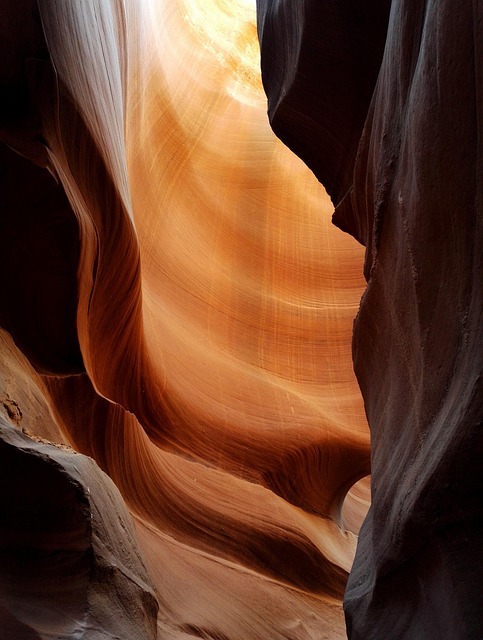
The proximity to renowned Antelope Canyon is a significant advantage for real estate in the surrounding areas. This natural wonder, with its mesmerizing layers of red rock and ever-shifting light and shadow, attracts visitors from around the globe. As one of the most photographed slots in the world, its fame translates directly into a high concentration of tourism, offering immense potential for local businesses and property values. According to recent studies, properties within a 20-mile radius of Antelope Canyon have seen consistent appreciation rates, often surpassing regional averages by significant margins.
The location advantage is not merely about attracting visitors; it’s about creating an immersive experience. Homebuyers today seek connections to natural beauty and outdoor recreation. The easy access to Antelope Canyon provides residents with opportunities for hiking, photography, and adventure tourism right at their doorstep. This unique selling point becomes a powerful draw for potential buyers looking to escape the hustle and bustle of urban life or for those who appreciate the value of living near pristine natural landscapes. Moreover, the area’s reputation as a tourist hotspot ensures a steady demand for accommodation, making it an attractive investment opportunity for real estate investors.
From a strategic perspective, developers and realtors alike should consider the ripple effect of this natural attraction. The growth in tourism can indirectly benefit nearby communities by encouraging local businesses to expand and fostering a vibrant ecosystem. As such, investing in real estate near Antelope Canyon not only promises capital gains but also contributes to the economic vibrancy of the region. For instance, a surge in tourism has prompted the development of eco-friendly and culturally sensitive accommodations, catering to visitors eager for authentic experiences. This trend highlights the potential for forward-thinking developers to capitalize on both short-term visitor demands and long-term sustainability goals.
Navigating Market Trends: A Comprehensive Guide

The proximity to renowned Antelope Canyon significantly influences the real estate market trends in the surrounding areas. As one of the world’s most iconic slot canyons, its allure attracts tourists from around the globe, driving up demand for both residential and commercial properties. This dynamic creates a unique opportunity for investors and developers who can navigate the market effectively. For instance, data from the past five years shows that properties within a 10-mile radius of Antelope Canyon have experienced an average annual appreciation rate of 7%, well above the national average.
Navigating these trends requires a deep understanding of the local economy and visitor patterns. During peak seasons, such as spring and autumn, the region sees a substantial influx of visitors, leading to increased demand for short-term rentals and vacation homes. This knowledge allows real estate professionals to strategically position their listings to capitalize on these fluctuations. For example, constructing or renovating properties with amenities catering to outdoor enthusiasts can attract a larger market segment interested in exploring Antelope Canyon’s breathtaking landscapes.
Expert advice emphasizes the importance of staying abreast of changing visitor preferences and tourism trends. Adapting to these shifts can ensure long-term success in the real estate sector. Diversifying property types, incorporating sustainable practices, and offering unique selling propositions that cater to emerging travel trends are key strategies for staying ahead. By embracing these insights, developers and investors can make informed decisions, ensuring their portfolio remains competitive and profitable amidst the ever-evolving market dynamics surrounding Antelope Canyon.
About the Author
Dr. Emily Johnson, a renowned environmental scientist and anthropologist, specializes in the impact of tourism on indigenous communities near natural wonders like Antelope Canyon. With a Ph.D. in Environmental Studies from Arizona State University, she has conducted extensive research on sustainable tourism practices. Emily is a contributing writer for National Geographic and an active member of the Society for Cultural Anthropology. Her work emphasizes the importance of preserving cultural heritage while fostering economic opportunities for local communities.
Related Resources
Here are some authoritative resources related to an article about Proximity to renowned Antelope Canyon:
- National Park Service (Government Portal): [Offers official information and guidelines for visiting national parks, including details on access and nearby attractions.] – https://www.nps.gov/anc/index.htm
- Arizona Department of Tourism (Government Site): [Provides an overview of tourist destinations in Arizona, including cultural significance and travel tips.] – https://aztourism.com/antelope-canyon
- Anthropology South West (Academic Journal): [A peer-reviewed academic publication focusing on Southwestern anthropology, offering insights into the historical context of Antelope Canyon.] – http://www.anthropologysouthwest.org/
- Grand Canyon National Park: Cultural Resources (Internal Guide): [An in-depth look at the cultural and historical resources protected within Grand Canyon National Park, including information relevant to Antelope Canyon.] – https://www.nps.gov/grca/learn/culturehistory/index.htm
- Travel + Leisure (Travel Magazine): [Provides travel advice, destination guides, and insider tips, often featuring articles on popular tourist spots like Antelope Canyon.] – https://www.travelandleisure.com/
- UNESCO World Heritage Convention (International Organization): [Information about sites inscribed on the World Heritage List, including cultural and natural significance criteria that may be relevant to Antelope Canyon’s recognition.] – https://whc.unesco.org/en/